

How to Choose HR Software for a Small Business: A Practical Buyer’s Guide
Running a growing business is exciting, but employee administration scales non-linearly.
Read More

Running a growing business is exciting, but employee administration scales non-linearly.
Read More
October 2026 is an important month for HR and payroll teams across India.
Read More
HR is often associated with recruitment, payroll and employee engagement.
Read More
Labour compliance is not about paperwork for its own sake. It protects your employees, protects your directors from personal liability, and keeps you ready for any inspection, client audit or due diligence.
Read More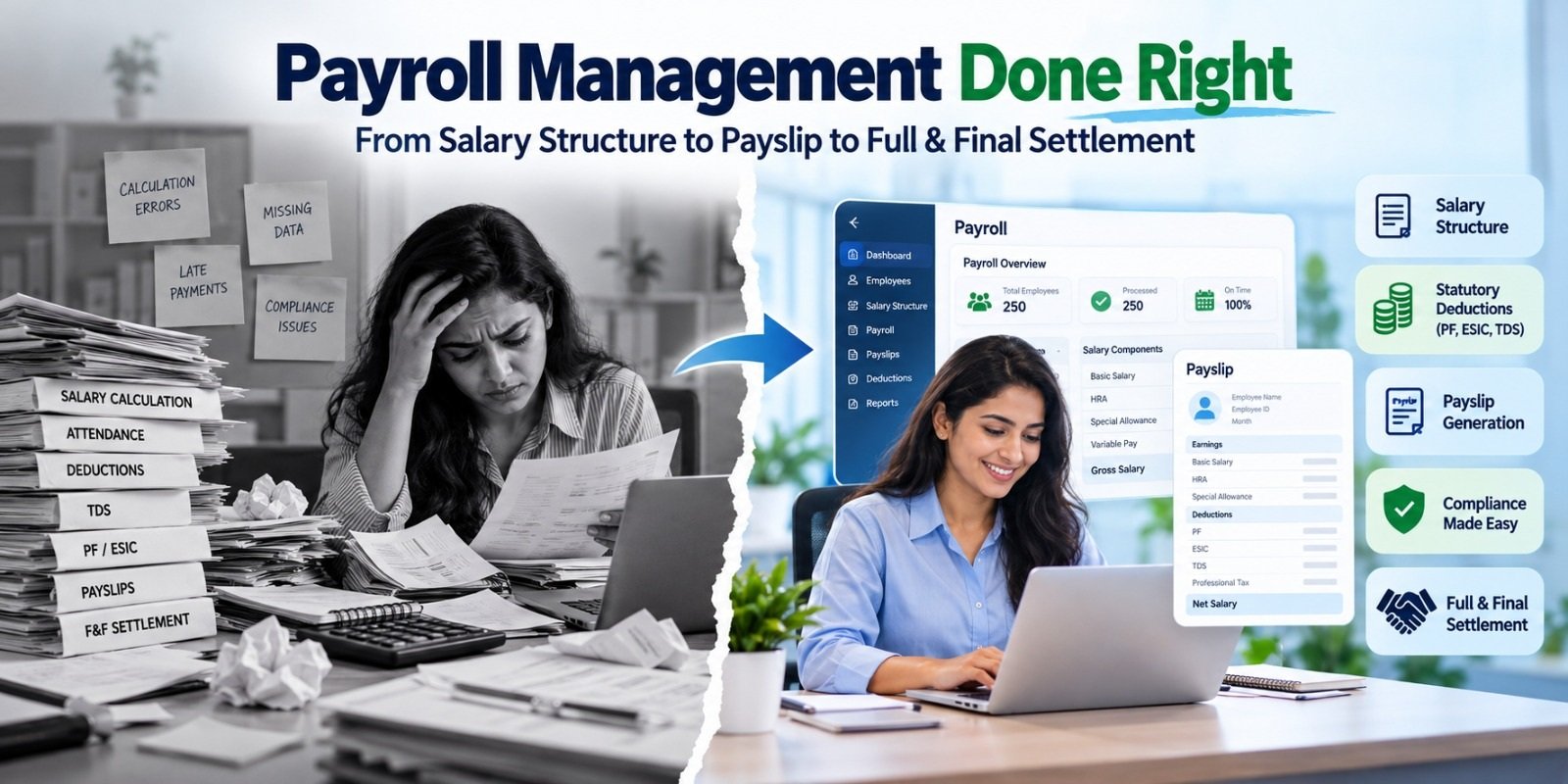
Payroll is the one HR process that every single employee checks, every single month. Get it right, and nobody notices. Get it wrong, and trust erodes instantly.
Read More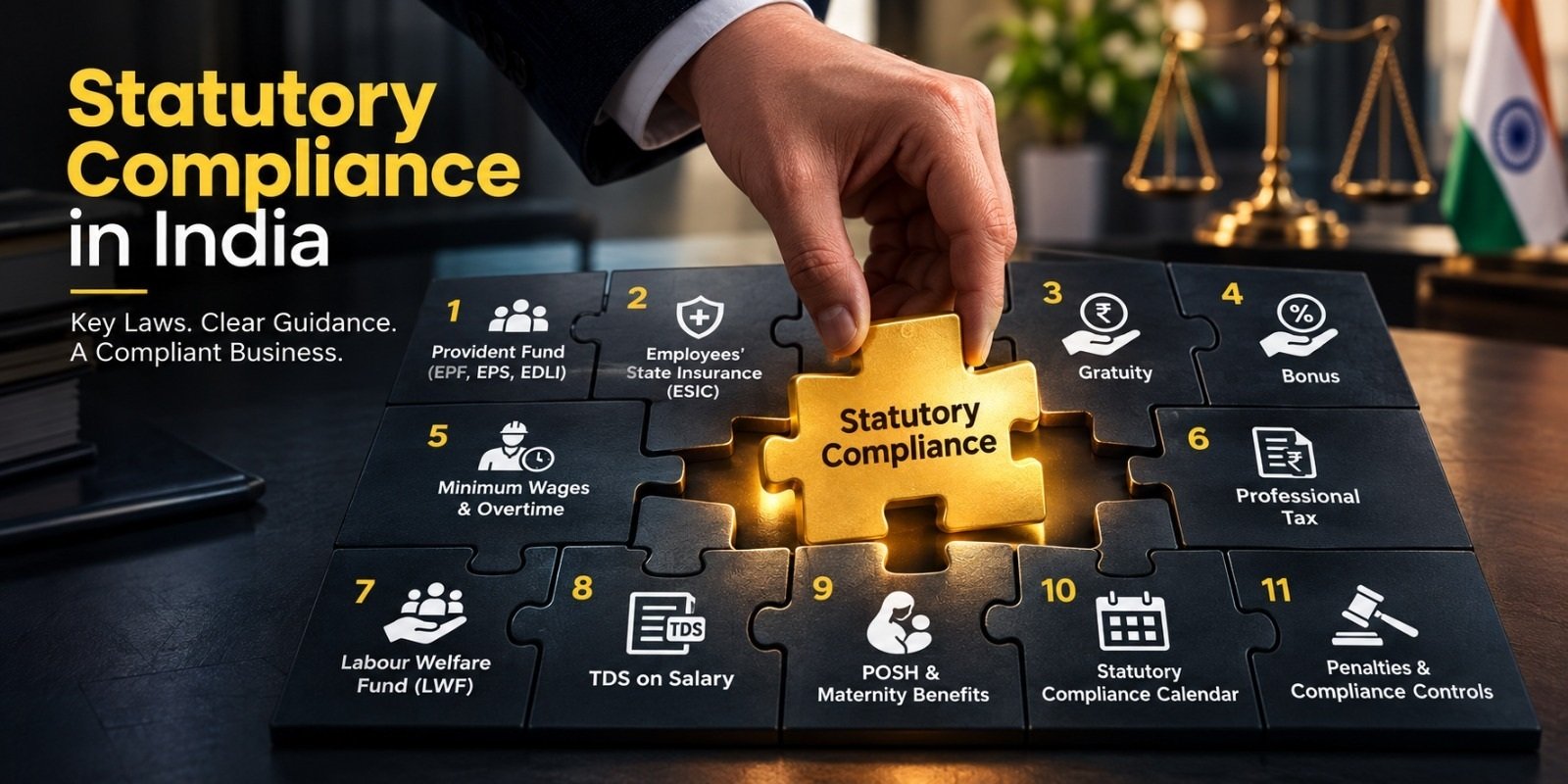
Statutory compliance is non-negotiable and non-delegable. Directors and officers can be held personally liable, and penalties compound quickly. This blog explains each major statute, what it requires, and what changed in 2026.
Read More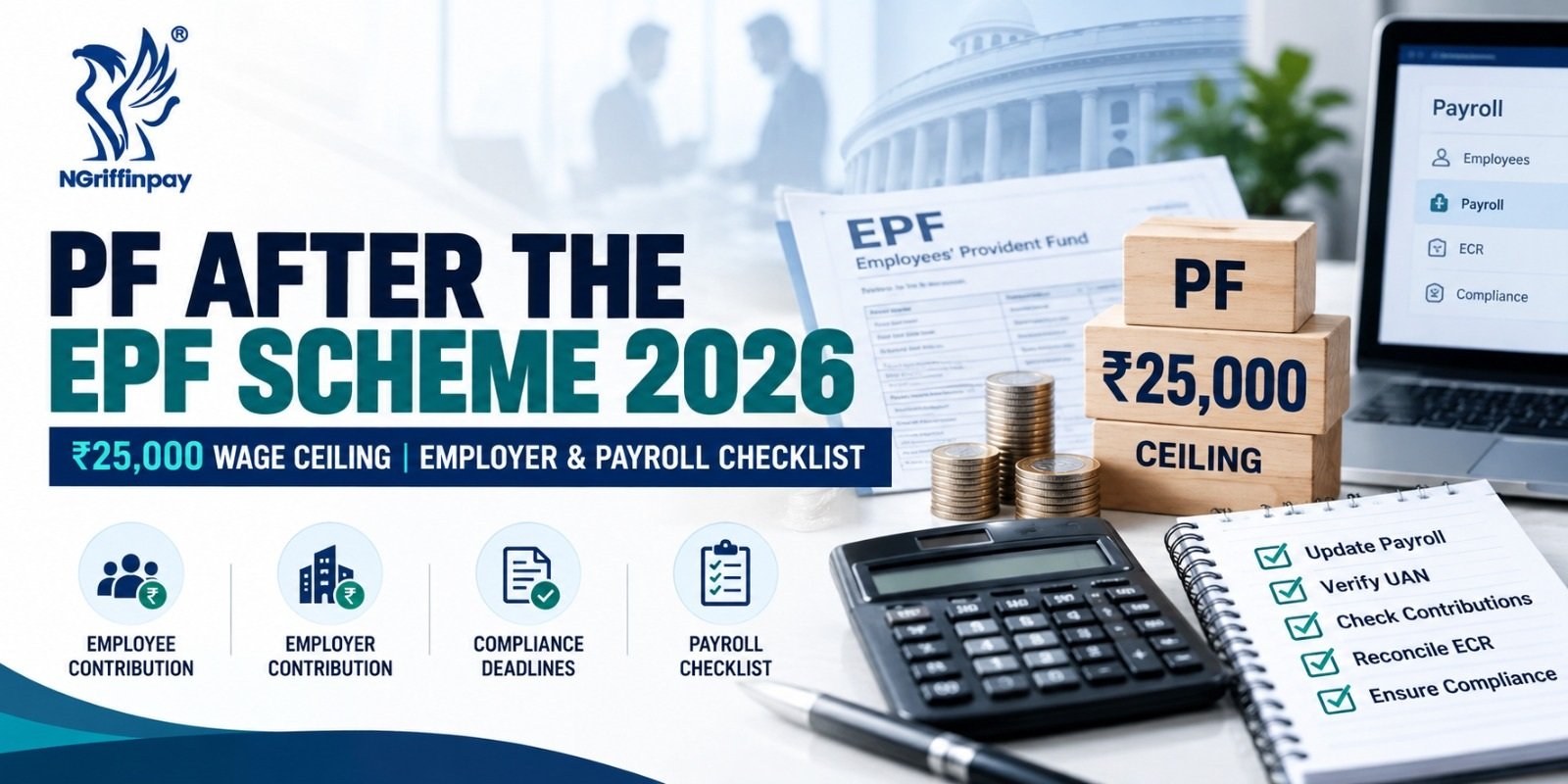
Provident Fund compliance has been rewritten twice in 2026. First, the Employees' Provident Funds Scheme, 2026 (notified 29 June 2026 as G.S.R. 525(E)) replaced the 1952 Scheme under Section 15(1)(a) of the Code on Social Security, 2020.
Read More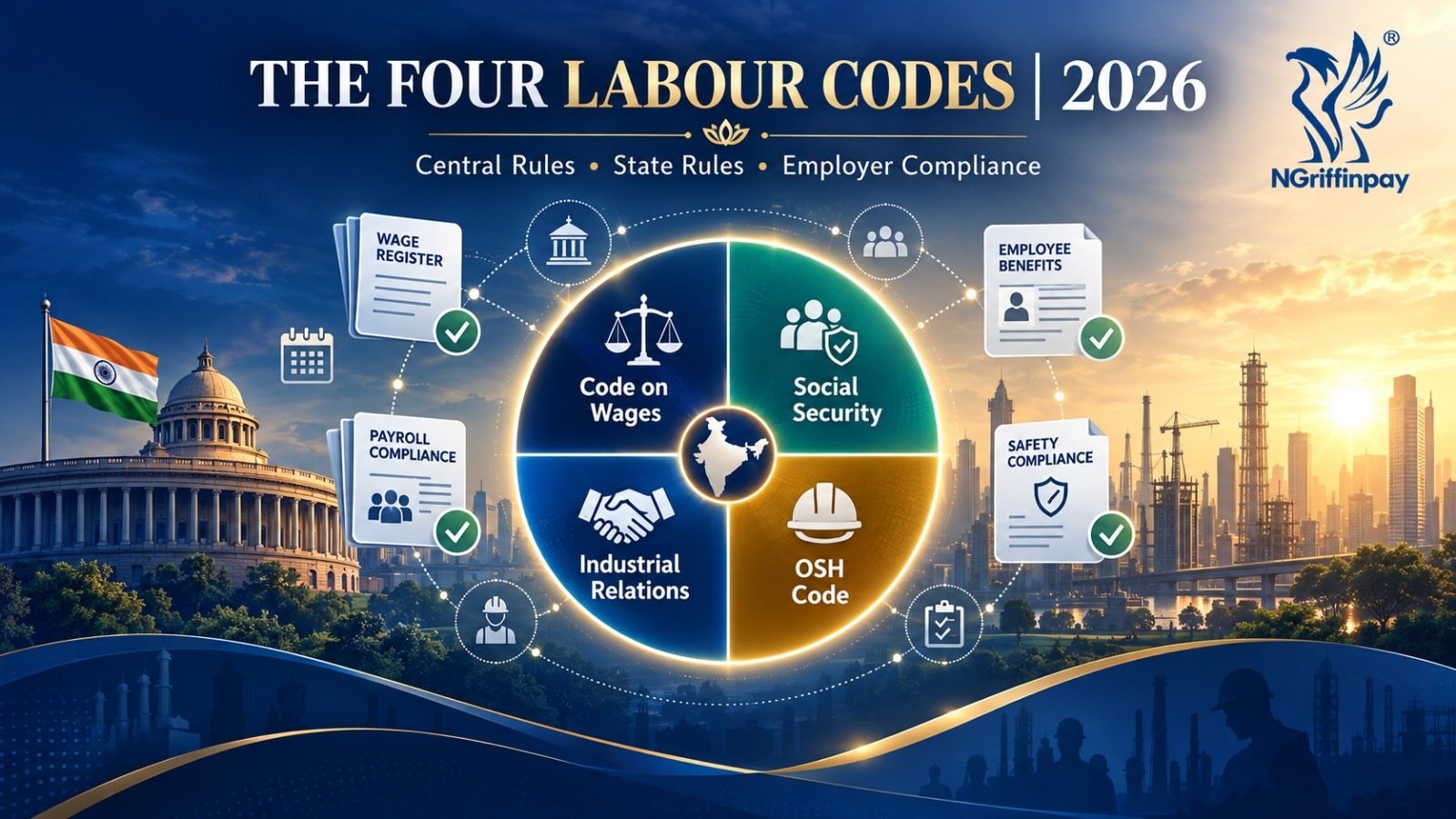
The Code on Wages, the Industrial Relations Code, the Code on Social Security and the OSH Code took effect on 21 November 2025, consolidating 29 central labour laws. The Central Rules followed on 8–9 May 2026.
Read More
The Code on Wages replaced four laws: the Payment of Wages Act, the Minimum Wages Act, the Payment of Bonus Act and the Equal Remuneration Act. For HR and payroll, it is the Code with the most day-to-day consequences.
Read More
Gratuity moved from the Payment of Gratuity Act, 1972 into the Code on Social Security, 2020. The headline change is that fixed-term employees qualify after one year. The less-noticed change is that the 50% wage definition raises the "wages" base for everyone.
Read More
ESIC is the health and social insurance side of statutory compliance. The 2026 headline is stability: the ESIC wage ceiling and contribution rates did not change, even as the PF ceiling rose. That creates a new band of employees, and a new source of confusion.
Read More
Professional Tax (PT) is a state levy on salaried employees and professionals. Employers deduct it from salary and deposit it with the state. The Constitution caps it at ₹2,500 a year per person, and states differ widely on slabs, exemptions and filing cycles.
Read More
The Labour Welfare Fund (LWF) is a small contribution, paid by the employee and the employer, to a state welfare board. The amounts are tiny, the compliance burden is not: every state has its own rate, frequency, due date and, often, its own registration form.
Read More
Most Indian companies run on a mix of offer letters, a handbook, email circulars and habit. The Labour Codes narrow the room for habit. The Ministry of Labour and Employment issued Model Standing Orders, 2026 on 8 May 2026 under Section 29(1) of the Industrial .
Read More
The OSH Code and its rules decide how long people can work, when they must rest, and what a safe and fair workplace looks like. After the 4-day-week headlines, many HR teams are unsure what has really changed. This blog sticks to what the notified Central Rules say.
Read More
Contract labour, gig work and exits are where legal risk tends to hide. Responsibility often sits with a party you do not directly manage
Read More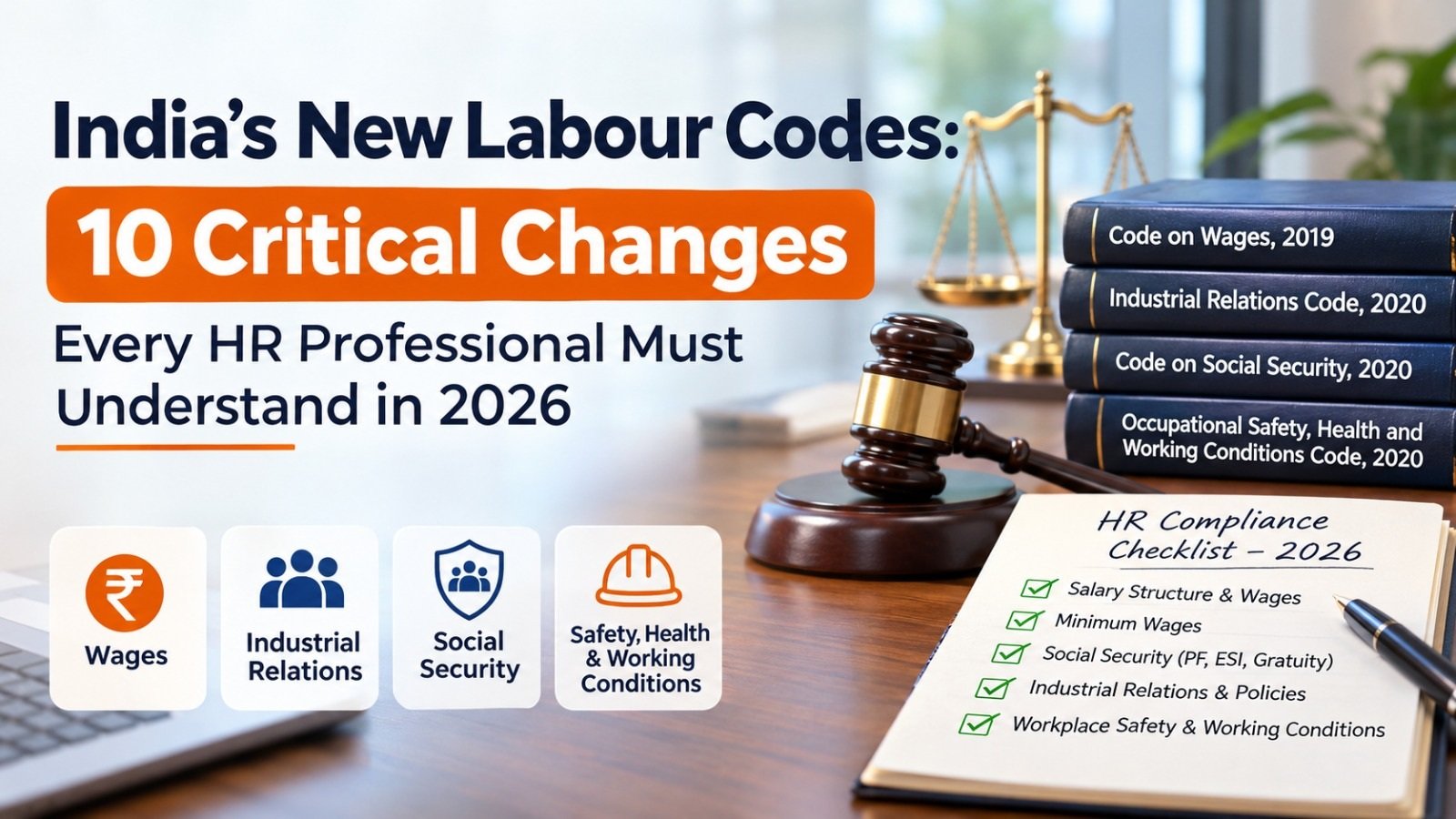
India's labour and employment landscape is undergoing a significant transformation. Employers that previously managed multiple central labour .
Read More
Provident fund compliance is one of the most important responsibilities of an organisation's payroll and HR departments.
Read More
Businesses operating in Karnataka must comply with the employment laws applicable to their establishments, including relevant registration, documentation and workplace requirements.
Read More